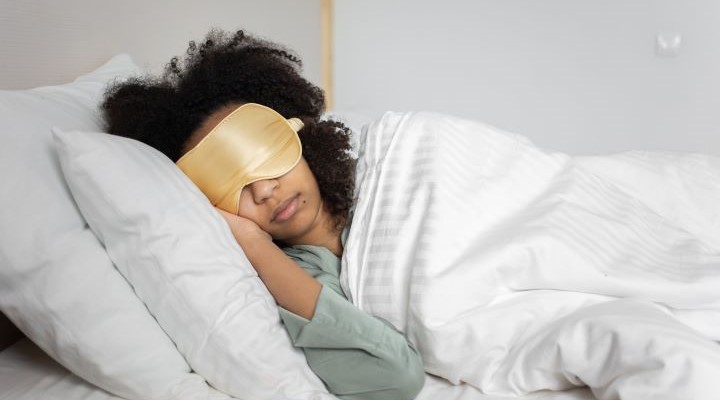
The Sleep-Fitness Loop: How Rest and Exercise Strengthen Each Other
There is a certain kind of tired that sleep fixes. Then there is the kind that follows you around, makes your workout feel heavier, and turns small decisions into effort. Many people blame discipline for this. They assume they need to push harder, wake earlier, or make up for what they missed.
The body may be asking for something else. It may need repair before pressure.
The sleep and exercise connection is among the clearest examples of how the body works as a whole. Rest changes how you move. Movement changes how you rest. When either is ignored, the other usually suffers.
When Rest Is Low, Effort Feels Different
A poor night of sleep can make an ordinary workout feel unfamiliar. Your legs may feel slow. Your grip may weaken. Your balance may feel slightly off. Even your patience can change.
This does not mean you lost progress overnight. It means the brain and body did not get enough time to reset.
Sleep supports attention, reaction time, and decision-making. Those skills matter during exercise, especially when form, pacing, and coordination are involved. Without enough rest, the body may still move, but it may not move as well.
That is where workout performance begins to change. The weight feels heavier. The run feels longer. The warmup takes longer to feel normal.
The Work Happens While You Rest
Exercise gives the body a reason to adapt. Sleep gives it a chance to do so.
During a workout, muscles are challenged. Energy stores are used. The nervous system practices patterns it needs for strength, balance, speed, and control. The visible effort occurs during training, but many of the results take shape afterward.
This is why muscle recovery matters. Sleep supports tissue repair, energy restoration, and the normal processes that help the body come back ready for another day.
When rest is cut short, soreness may last longer. Motivation may drop. A routine that once felt helpful can start to feel like another demand.
Exercise Can Make Sleep Less Fragile
The relationship also works the other way. Regular movement can help the body settle at night.
Activity creates a clearer contrast between daytime and nighttime. The body uses energy, temperature rises, stress hormones shift, and the nervous system has a chance to release tension. Later, when the day slows, sleep can come with less resistance.
For some people, quality sleep improves after consistent walking, strength training, cycling, swimming, stretching, or other forms of movement. It does not have to be intense to matter.
The key is regularity. The body responds well to patterns it can recognize.
Stress Sits Between Sleep and Fitness
Stress often explains why both sleep and exercise get harder at the same time.
A stressful week can shorten sleep, increase cravings, reduce patience, and make movement feel like one task too many. At the same time, skipping movement may leave the body with less relief from that stress.
This is how the sleep and exercise connection can turn negative. Poor sleep makes exercise harder. Less movement makes stress harder to release. Stress then makes sleep harder again.
Breaking that pattern does not always require a hard workout. A walk can help. Gentle mobility can help. Ten minutes of movement can be enough to remind the body that it is not stuck in alarm mode.
The Timing Question Is Personal
Some people sleep well after evening exercise. Others feel alert for hours afterward. There is no single answer that fits everyone.
Intensity often makes the difference. A calm evening walk may help the body slow down. A hard training session close to bedtime may leave some people too wired to rest.
If sleep becomes restless after late workouts, shift demanding sessions earlier when possible. Save the evening for lighter movement, stretching, or a slower pace.
The goal is not to follow a rule perfectly. The goal is to notice what your body does with the routine you keep giving it.
Hormones Respond to Both Habits
Sleep and exercise both affect the signals that regulate hunger, stress, repair, and energy.
When sleep is short, appetite can feel harder to manage. Cravings may increase. Stress may feel louder. The body may look for quick energy because it did not recover well overnight.
Exercise also plays a role in hormonal balance. Regular movement supports blood sugar control, stress response, and energy use. Sleep gives the body time to regulate those same systems.
When both habits are steady, the body receives fewer mixed messages. That steadiness can make healthy choices feel less forced.
When Pushing Through Stops Helping
There are times when effort is useful. There are also times when effort becomes noise.
If soreness keeps returning to the same area, sleep is broken for several nights, or energy drops for no clear reason, the routine may need adjusting. This is especially true when workout performance declines even though effort remains high.
Pushing through fatigue can increase the chance of poor form. Poor form can increase strain. Strain can make sleep harder if discomfort follows you into the night.
A lighter day is not a failure. It can be the decision that keeps the routine alive.
A Simple Way to Read Your Own Pattern
Most people do not need to track everything. They need to pay attention to a few honest signals.
Ask yourself how you feel when you wake, how movement feels during the first ten minutes, how sore you remain the next day, and whether sleep feels steady or broken.
These clues can reveal whether the sleep and exercise connection is helping or hurting your routine.
If sleep is poor, reduce intensity before you abandon movement. If movement is inconsistent, start small before you rebuild a full schedule. The goal is to create a pattern your body can repeat.
Better Fitness Starts the Night Before
A good workout is rarely made in one hour. It is shaped by the night before, the food you ate, the stress you carried, and the way you let your body recover.
Better rest can make you feel safer, cleaner, and less forced. Regular movement can help sleep feel less out of reach. Together, they create a cycle that supports energy, focus, and long-term health.
The sleep and exercise connection is not complicated, but it does ask for honesty. When the body is tired, listen. When movement helps, keep it steady. When rest improves, use that energy wisely.
For readers looking to improve both sleep quality and fitness performance, the National Wellness & Fitness Association offers educational resources and wellness tools that support healthy, sustainable lifestyle habits.