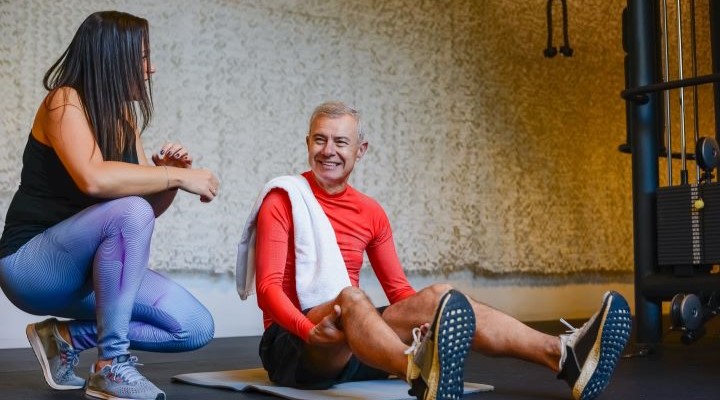
The Healthy Aging Formula: Habits That Support Vitality at Every Stage of Life
Aging often shows up in small ways first. A knee that feels different on the stairs. A name that takes longer to remember. A night of poor sleep that seems to affect the whole next day. These moments can feel random, but they are often signals from a body that has been keeping score for years.
The good news is that aging is not something people have to meet unprepared. Daily choices shape how the body handles time, stress, movement, food, and recovery. The best healthy aging habits are rarely dramatic. They are steady enough to become part of normal life, which is why they matter.
Vitality does not mean doing everything you did at twenty. It means having the strength to live with choice. It means walking with confidence, staying engaged, thinking clearly, and trusting your body through ordinary days.
Start With the Body You Have Today
Many people put off healthy changes because they imagine a full reset. They wait for a better schedule, a new year, or a doctor's warning. In reality, the body responds to the next decision, then the next, and so on.
Good aging begins with attention. How does your body feel when you wake up? How steady is your energy after lunch? Do you avoid certain movements without realizing it? These small observations help people make better choices without panic.
This is where healthspan becomes useful. Lifespan counts years. Healthspan looks at the quality of those years. It asks whether a person can remain active, clear, connected, and able to manage daily life.
Strength Is Quiet Insurance
Muscle is easy to overlook until it starts to leave. It supports balance, protects joints, helps regulate blood sugar, and makes ordinary tasks easier. Carrying laundry, standing from a low chair, lifting a bag into the car, or stepping off a curb all depend on muscle.
That is why strength training belongs in any plan for aging well. It does not require a gym membership or intense workouts. Resistance bands, hand weights, wall push-ups, supported squats, and slow step-ups can all help when done with care.
The key is consistency and progression. Muscles need a reason to stay useful. A person who starts with light resistance can build slowly, paying attention to form and comfort. Over time, this kind of work supports bone health, posture, metabolism, and confidence.
Among healthy aging habits, strength may be one of the most practical. It helps people keep doing the things that make life feel normal.
Mobility Keeps Independence Practical
Strength helps the body produce force. Mobility exercises help the body move that force through a usable range of motion. Without mobility, simple movements can become guarded or awkward.
Stiff hips can change how a person walks. Tight ankles can affect balance. Limited shoulder motion can make reaching overhead difficult. These changes often happen slowly, which makes them easy to accept as normal.
A few minutes of daily movement can help. Gentle hip rotations, ankle circles, shoulder rolls, spinal turns, and sit-to-stand practice can keep the body responsive. Balance work also matters, especially as people age. Standing on one foot near a counter, walking heel-to-toe, or practicing controlled directional changes can train the body to react.
Independence depends on many small abilities. Bending, reaching, turning, stepping, and rising from a chair all deserve attention.
Food Should Support Repair, Not Rules
Nutrition for aging should feel practical. The body needs materials to repair tissue, protect muscle, support the brain, and maintain steady energy. Food can help with all of that when meals are built with enough care.
Protein matters because it helps preserve muscle. Fiber supports digestion, cholesterol balance, and blood sugar control. Healthy fats help the brain and heart. Colorful plant foods provide nutrients the body uses for repair and immune function.
A balanced meal does not need to be complicated. It can include a protein source, a fiber-rich carbohydrate, vegetables or fruit, and some fat. What matters most is the pattern across weeks and months.
Good nutrition supports healthy aging habits by providing the body with a steadier foundation. People often notice better energy, fewer cravings, and improved digestion when meals become less random.
Sleep Changes the Next Day
Sleep is easy to sacrifice because the damage is not always visible. Still, poor sleep affects memory, mood, appetite, balance, immune function, and pain. A tired body often moves less, chooses food less carefully, and handles stress poorly.
Restorative sleep gives the brain and body time to reset. During sleep, the body repairs tissue, regulates hormones, and supports memory. Without enough quality rest, healthy routines become harder to maintain.
Better sleep often begins earlier in the day. Morning light helps set the body clock. Movement supports sleep pressure. Caffeine timing matters. A steady evening routine can tell the nervous system that the day is closing.
Aging may change sleep patterns, but ongoing sleep trouble should not be ignored. It can be worth discussing with a healthcare provider, especially when snoring, frequent waking, or daytime fatigue becomes common.
Stress Leaves a Physical Trace
Stress is often discussed as a mood issue, but the body feels it everywhere. Long periods of stress can affect blood pressure, digestion, sleep, appetite, and inflammation. It can also make people pull away from healthy routines.
Stress management does not have to be polished. A short walk, slower breathing, a quiet room, a phone call, or writing down what is bothering you can help the body settle. These small actions matter because they interrupt the stress response before it becomes the default setting.
Social connection also protects health. Regular contact with other people supports memory, mood, motivation, and daily structure. Shared meals, walking partners, classes, family calls, and community activities all give people reasons to stay engaged.
Emotional health belongs in conversations about healthspan because people need purpose and connection, not just lower lab numbers.
Checkups Help Catch What Habits Cannot See
Even strong daily routines cannot replace preventive healthcare. Some risks develop quietly. Blood pressure, blood sugar, cholesterol, vision changes, hearing loss, bone density, dental issues, and medication side effects may not be obvious at first.
Regular checkups give people information while there is still time to act. Screenings, vaccines, dental visits, eye exams, and medication reviews all support safer aging. They also help people adjust their routines based on real needs instead of guesswork.
Preventive healthcare works best when people ask direct questions. What should I track? What changes would make the biggest difference? Is this symptom normal for my age, or should we look into it further? Good questions can lead to better decisions.
The Formula Has to Fit Real Life
The best plan is the one a person can return to after a hard week. Life will interrupt routines. Illness, caregiving, travel, grief, work, and pain can all change what is possible. A useful formula leaves room for adjustment.
Some days call for a full walk. Some days call for stretching in the living room. Some meals are balanced. Others are simply the best available choice. Progress comes from returning without shame.
The most useful healthy aging habits protect ability without making life feel smaller. They help people stay strong enough to participate, steady enough to recover, and supported enough to keep going.
For readers committed to maintaining vitality and independence at every stage of life, the National Wellness & Fitness Association offers educational resources and wellness tools that support healthy aging habits and lifelong well-being.