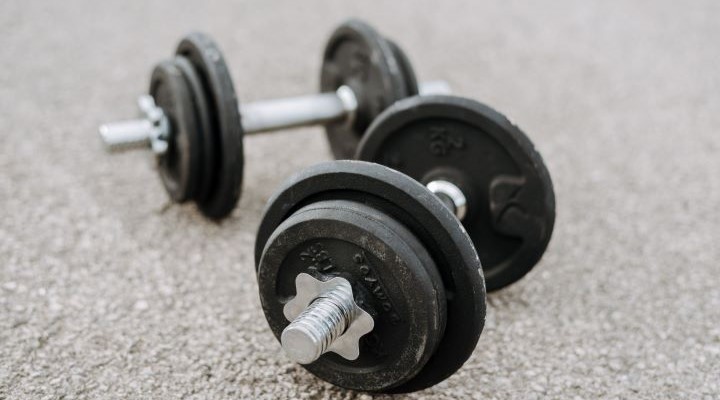
Muscle, Mind, and Metabolism: Why Strength Training Is About More Than Getting Stronger
Strength training is usually associated with bigger muscles and heavier dumbbells. But that’s not all there is to it. It supports your metabolism, improves your mood, protects your bones, and makes everyday activities easier. It also helps you maintain independence as you age and feel more confident in your physical abilities.
Whether you are lifting weights at the gym, using resistance bands at home, or performing bodyweight exercises, challenging your muscles regularly contributes to better overall health and wellness.
The best part is that you do not need to become a bodybuilder or spend hours in the gym to experience these benefits. A realistic routine that matches your abilities can make all the difference you need.
Strength Training is More Than Lifting Heavy Weights
One of the biggest misconceptions about strength training is that it always involves lifting heavy weights. In reality, resistance can come from several sources, including dumbbells, machines, resistance bands, kettlebells, and your own body weight.
Squats, lunges, push-ups, and step-ups are all examples of exercises that challenge your muscles without necessarily requiring gym equipment.
The goal of resistance training is to make your muscles work against an appropriate level of resistance. As your body adapts, you can gradually increase the challenge by adding repetitions, adjusting the resistance, or improving your control.
Your Muscles Play a Role in Metabolic Health
Muscles play an important role in how your body uses and stores energy. When you eat, your body breaks down carbohydrates into glucose, which can be used for energy. Your muscles are one of the major places where glucose is taken up and stored.
Regular strength training helps maintain and develop muscle tissue, which supports your body’s ability to use energy effectively.
Muscle tissue also requires energy to maintain, even when you are resting. However, building muscle does not automatically create a dramatic increase in the number of calories you burn throughout the day.
Instead of thinking about muscle only as a way to burn more calories, consider its role in supporting movement, physical function, and healthy energy regulation.
The Connection Between Strength Training and Mental Health
There is something satisfying about noticing yourself become stronger. Maybe you struggled to complete five push-ups when you started exercising, but now you can comfortably perform ten. Perhaps carrying groceries upstairs no longer leaves you exhausted, or you finally feel confident using equipment that once seemed intimidating. These improvements can positively influence how you see yourself.
Moreover, exercise also provides a break from daily stress, creates a sense of accomplishment, and offers an opportunity to focus on something outside work or personal responsibilities.
Stronger Muscles Make Everyday Life Easier
One of the most practical benefits of strength training is how it can improve ordinary activities.
Think about lifting a suitcase into a car, carrying shopping bags, moving furniture, climbing stairs, or getting up from the floor. These movements require strength, coordination, and control.
When your muscles are better prepared for these demands, functional strength can make everyday tasks feel less physically challenging. Functional strength means developing the physical abilities you need to move through daily life.
Strength Training Supports Healthy Aging
As people get older, they naturally lose muscle mass and strength, especially as they become less physically active. This can make activities such as climbing stairs, carrying objects, and standing up from a chair more difficult.
Regular resistance training can help maintain muscle strength and physical function throughout adulthood. That makes it an important part of healthy aging.
The important thing is to choose exercises that match your abilities and progress gradually rather than comparing yourself with younger or more experienced exercisers.
Your Bones Benefit From Strength Training Too
Muscles are not the only parts of your body that respond to resistance-based exercise. Your bones also experience forces when you lift weights, perform certain bodyweight exercises, or engage in weight-bearing activities.
Appropriately designed strength training can help support bone health by placing manageable demands on your skeletal system. As you age, maintaining bone strength supports long-term mobility and physical function.
Exercises such as squats, step-ups, and resistance-based movements can be useful components of a well-rounded routine. However, the right exercises depend on individual circumstances.
You Do Not Need to Train Every Day
A common mistake among beginners is assuming that more exercise always produces better results. Your muscles need time to recover after challenging workouts. Training the same muscle groups intensely every day without adequate recovery can leave you feeling unusually tired or sore.
For many adults, working major muscle groups at least twice per week is a practical starting point.
You can start with lighter resistance and focus on learning proper technique before increasing the difficulty. Rest days, sleep, and adequate nutrition are also essential. Your body needs enough support to adapt to the work you are asking it to do.
Consistency is usually more useful than attempting an overly demanding routine that becomes difficult to maintain.
Make Strength Training Part of Your Bigger Wellness Picture
A well-rounded fitness routine includes more than one type of exercise. Walking, cycling, swimming, stretching, and other activities all have their place.
Adding strength training helps bring another important element into that routine. It supports muscle function, contributes to metabolic health, helps maintain bone health, and can make everyday activities easier. It can also encourage confidence and provide a positive outlet for stress.
If you are ready to discover how strength-based exercise can fit into your lifestyle, the National Wellness & Fitness Association offers resources for fitness education and practical wellness.
Muscle Improvement Strength Training