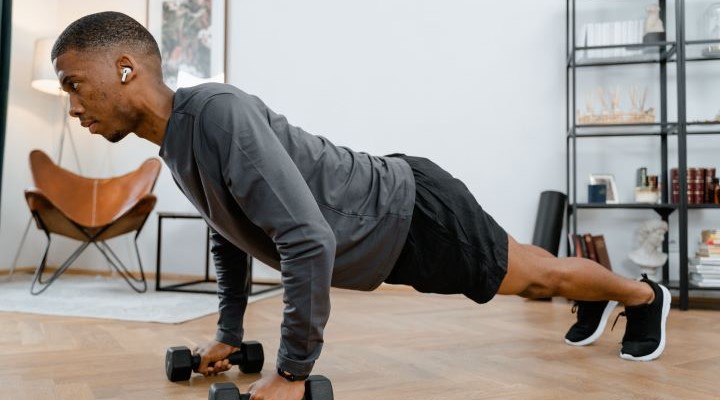
The Emotional Benefits of Exercise: How Movement Helps You Feel Like Yourself Again
Some people notice it after an almost-skipped walk. The inbox has not cleared itself. The hard conversation may still be waiting. Yet the body feels less locked up, and the mind has enough room to think again.
That small shift is easy to miss, but it matters. The emotional benefits of exercise often arrive before any visible change in strength or appearance. Movement can help a person feel less trapped inside a mood. It can provide an outlet for stress, soften tension, and remind someone that their body is still willing to help.
Why the Brain Responds to Movement
The body responds quickly when it moves. Breathing changes. Blood flow increases. Muscles warm. The brain receives signals that affect mood, attention, and energy.
Exercise supports the release of chemicals linked to motivation, pleasure, and calm. Dopamine helps with drive, serotonin plays a role in mood, and endorphins can leave a person feeling lighter.
These changes help explain why the emotional benefits of exercise can be felt after a short walk or a simple workout. A person may not look different after a few days, but they may feel less irritable.
Stress Needs Somewhere to Go
Stress often settles in the body. It tightens shoulders, shortens breath, and keeps thoughts moving in the same loop. When there is no release, that pressure can stay long after the stressful moment has passed.
Movement gives stress a physical exit. Walking, cycling, yoga, lifting weights, stretching, or doing yard work can help use the energy that stress creates.
With consistency, exercise can support stress resilience. During activity, heart rate rises. Afterward, it slows. The body practices moving from effort back to recovery. That pattern can help the nervous system return to calm.
Confidence Comes From Keeping Small Promises
Self-trust grows through ordinary proof. A twenty-minute walk may seem minor. Stretching before bed may not look impressive. Still, the mind records the choice. You said you would care for yourself, and you did.
That matters for self-esteem. Exercise gives people a way to experience progress without waiting for outside approval. The body becomes something they work with instead of something they only judge.
This part of movement can show up as better posture, steadier decisions, or less shame after a hard week. Confidence does not always come from achievement. Sometimes it comes from returning to yourself with patience.
Movement Helps Emotions Move Too
Feelings are physical. Anxiety may sit in the chest. Anger may show up in the jaw or hands. Sadness may make the body feel heavy.
Exercise can support emotional regulation by changing the body’s state. A brisk walk can reduce restlessness. Slow stretching can open breathing. Strength work can give frustration a task with a beginning and an end.
Movement should not be used to avoid feelings. It can make them easier to face. When the body settles, the mind often has space to respond with care rather than react.
Enjoyment Keeps People Coming Back
Many people choose to exercise out of guilt. They pick the hardest option or the one that promises the fastest result. That approach often fades because the body begins to associate movement with pressure.
Enjoyment is practical. A person who likes dancing at home may move often. Someone who enjoys a walk with a neighbor may stay consistent for months. Swimming, tai chi, hiking, gardening, or lifting weights can all support emotional health when they fit a person’s life.
The emotional benefits of exercise are easier to notice when movement feels supportive. The best routine is usually the one a person can return to without feeling defeated.
Anxiety, Low Mood, and Gentle Structure
Exercise is not a replacement for therapy, medication, or medical care when those are needed. It can still be a useful support.
For anxiety relief, movement can reduce nervous energy and bring attention back to the present. The rhythm of walking or the focus needed during a workout can interrupt repeated worry.
For low mood, movement can add structure to a day that feels flat. It may create a reason to get dressed, step outside, or leave the room. These actions can help break the pull of isolation.
The goal is not forced happiness. The goal is to give the body and mind a different signal.
Moving With Others Can Lighten the Load
Exercise can create social connection without making conversation feel planned. A walk can make talking easier. A class can help someone feel part of a routine. A casual sport can bring laughter back into the week.
Both connection and personal habits shape emotional health. Shared movement reminds people that support can be simple and meaningful.
A Better Reason to Keep Going
When exercise is tied only to appearance, motivation can become fragile. Visible changes take time, and bodies change because of age, stress, hormones, illness, and daily demands.
Emotional progress can appear sooner. Better patience. Fewer spirals after stress. A steadier mood in the morning. More comfort in your own skin.
The emotional benefits of exercise give people reasons to continue that are rooted in daily life. Movement becomes part of how they care for their mind.
Moving Forward With Care
Exercise can reveal where tension lives, how stress affects the body, and which kinds of movement bring relief without pressure.
The emotional benefits of exercise are not reserved for athletes or perfect routines. They are available through steady movement that supports mood, emotional regulation, stress resilience, anxiety relief, social connection, and self-esteem.
For readers seeking to improve emotional well-being alongside physical health, the National Wellness & Fitness Association provides educational resources and wellness tools that promote a holistic approach to healthy living.