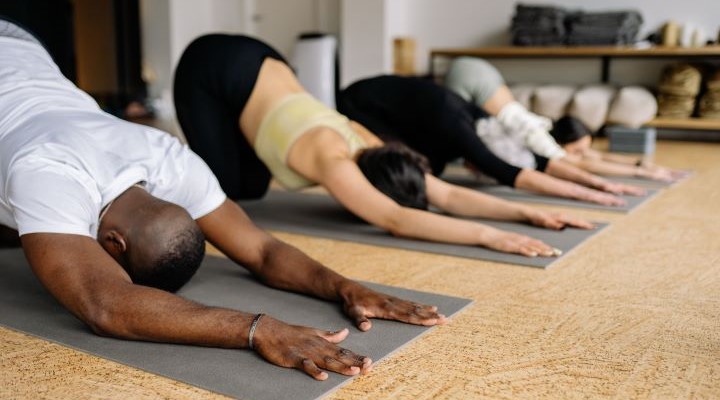
The Calm Workout: Low-Intensity Exercises That Reduce Stress and Restore Balance
There is a kind of tired that sleep alone does not fix. It shows up when your shoulders stay lifted after the meeting ends, when your stomach feels tight for no clear reason, or when a normal workout suddenly feels like too much.
Most people know how to push. Fewer people know how to back off without feeling like they failed. That is where low-intensity exercises for stress relief can help. They give the body a way to move without adding another demand.
This kind of exercise is not a weaker version of fitness. It is a different tool. Used well, it can steady your breath, loosen guarded muscles, support recovery, and make the rest of your routine easier to resume.
Why Harder Is Not Always Helpful
Stress already asks the body to prepare for action. Heart rate rises, breathing gets shorter, and muscles hold tension. When life stays demanding, the body may remain half-braced even during rest.
A hard workout can be useful when you are rested and fueled. During a drained week, the same session may leave you more irritated, sore, or wired at night.
Low-intensity exercises for stress relief work because they do not force the body into another fight. They create motion without pressure. That difference matters when your system is asking for less strain.
What Gentle Movement Does Under Stress
Gentle movement helps circulation without making the body chase intensity. Blood flow improves, joints feel less stiff, and muscles receive oxygen without the sharp demand of a heavy session.
It can also help lower stress hormones after a tense day. The change may be quiet. Your thoughts slow down. Your hands unclench. Your breath stops feeling trapped high in the chest.
A calm walk or stretch session gives attention to somewhere to rest. You are still doing something, but the body is no longer being asked to prove anything.
Walking That Clears Space
Walking works because it is simple. No setup, no skill barrier, no need to turn it into a performance. Ten minutes can help if that is what you have.
The pace should let you breathe without strain. If you are breathing through your mouth within the first few minutes, slow down. The goal is to let the body feel safe while moving.
For many people, walking is the most practical form of low-intensity exercises for stress relief. It fits between tasks and does not require a full change of clothes or a perfect plan.
Stretching When Tension Has Settled In
Stress often hides in predictable places. The jaw, neck, chest, hips, and lower back tend to carry the load. Stretching gives you a chance to find those spots before they turn into pain.
A stretch should not feel like a contest. Ease into it until you find a mild pull, then breathe. The body usually releases better when it does not feel forced.
Regular stretching can enhance flexibility, but the stress benefit comes from attention. You notice what feels tight. You slow the pace. You give the nervous system a signal to stop guarding every muscle.
Yoga, Pilates, and Tai Chi at a Human Pace
Yoga, Pilates, and tai chi can all support balance when they are practiced with restraint. Choose versions that fit your energy on that day.
Gentle yoga can help connect movement with breathing patterns. Pilates can build control without heavy impact. Tai chi asks for focus, balance, and patience, which can be useful when the mind feels scattered.
A short routine done with care often helps when a long class would leave you depleted.
Mobility and Light Cycling for Stiff Days
Mobility work is useful when the body feels stuck rather than sore. Slow shoulder circles, hip rotations, ankle rolls, and easy spinal movement can help joints move through ranges they may have missed all day.
This is different from stretching because the joint keeps moving. You are teaching the body to regain control.
Light cycling can also help when walking feels too jarring or your legs need rhythm without impact. Keep the resistance low. Let the movement warm the body rather than drain it.
How to Tell When Calm Exercise Makes Sense
A gentler session may be the right choice when sleep has been poor, soreness keeps returning, or motivation feels unusually low. Emotional strain counts too. The body does not separate work stress, family stress, and training stress into neat categories.
If you feel better after warming up, continue at an easy pace. If you feel worse, stop and rest. That is not quitting. It is information.
Low-intensity exercises for stress relief are useful during busy seasons because they protect consistency. You keep the habit of movement without pulling from energy you do not have.
The Breath Is Part of the Workout
Breathing is often the first thing stress changes and the last thing people notice. Shallow breathing keeps the body alert. Slower breathing tells it that the threat has passed.
During walking, stretching, yoga, or mobility work, try lengthening the exhale. Do not force it. Let the breath become steadier as the movement becomes easier.
A calmer nervous system is trained through repeated signals of safety. Low-effort movement can provide those signals in a way that feels realistic.
A Routine That Leaves You Better
A calm workout can be short. Start with two minutes of breathing, walk for ten minutes, stretch the hips and chest, then finish with slow neck and shoulder movement.
On another day, try light cycling followed by mobility work. Keep the plan flexible enough to fit your actual life.
Let Fitness Include Recovery
Movement should help you return to yourself, not pull you farther away. Hard workouts have value, but they are not the only path to health.
Low-intensity exercises for stress relief help the body stay active while allowing time for repair. They support strength by protecting recovery, and they support emotional well-being by giving stress somewhere to go.
For readers looking to create a more balanced fitness routine that includes restorative movement, the National Wellness & Fitness Association provides wellness education and tools that support both physical and mental well-being.