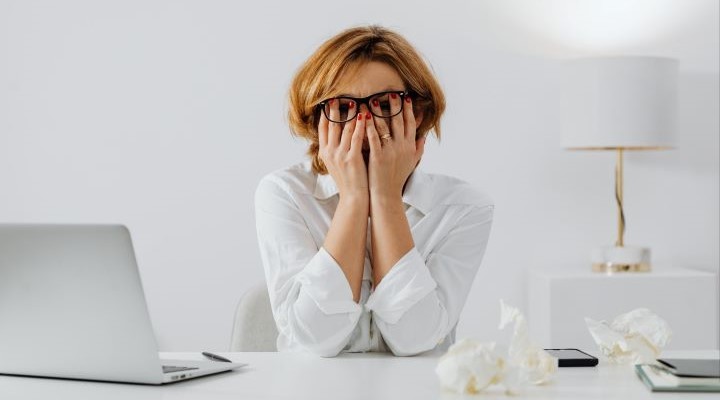
Stress Lives in the Body: Understanding the Physical Side of Mental Overload
On the first quiet morning after a difficult week, you wake with a headache. The deadline is over. Nobody is asking for anything. Yet your jaw aches while you make coffee, and the thought of breakfast turns your stomach.
That disconnect is easy to dismiss. We expect pressure to feel like worry, but the physical symptoms of chronic stress can persist when the immediate problem has passed. Understanding what happens inside the body makes those sensations easier to recognize and harder to ignore.
Why the Body Keeps Preparing for Trouble
Stress begins when the brain detects something that demands attention. The sympathetic nervous system speeds up the heart and breathing. Adrenaline prepares muscles for action, while cortisol helps manage energy over a longer period. These changes help you react quickly.
The same stress response can be triggered by work deadlines, caregiving, and money worries. Those concerns rarely end with a clear signal that everything is fine. When demands return day after day, the body gets fewer chances to settle.
Sleep and hormone patterns may change. That does not mean cortisol stays high in everyone. Stress affects people differently, which is one reason symptoms can be hard to recognize.
The Tension You Stop Noticing
You may clench your jaw during meetings or raise your shoulders while reading an uncomfortable message. After a while, those positions begin to feel normal. Neck pain, a sore jaw, or a headache can be the first sign that you have been bracing yourself for hours.
Muscle tension can also linger overnight. People who grind their teeth in sleep may wake with a sore face. Others notice stiffness growing throughout the workday. Stress can contribute to these problems, but persistent pain may also require a dental or medical evaluation.
Try a small check now. Are your teeth touching? Are you holding your breath? Relax your jaw and rest your feet on the floor. Brief pauses will not resolve ongoing pressure, but they can interrupt the body's habit of staying braced.
What Stress Can Do to Digestion
Bad news can make you lose your appetite. The gut-brain connection involves signals moving in both directions between the digestive tract and the nervous system. Stress can change how quickly food passes through the intestines and how strongly the brain registers discomfort.
One person may deal with constipation; another has diarrhea or nausea. Bloating and stomach pain can become harder to manage, particularly for someone with an existing digestive condition. These symptoms deserve attention on their own. Stress should never be assumed to explain persistent digestive trouble.
Tired at Work, Alert at Bedtime
Perhaps the most frustrating effect is feeling worn out all afternoon, only to become restless once the lights go off. Sleep disruption can mean lying awake replaying a conversation or waking at 3 a.m. for no clear reason, then facing an exhausted next day.
After a poor night, concentration slips, ordinary decisions take effort, and pain may feel sharper. Fatigue can persist even after a night in bed because time asleep isn't the same as restorative sleep.
Exhaustion has other explanations too. Anemia, thyroid conditions, sleep apnea, and medication side effects can look similar to the physical symptoms of chronic stress. If fatigue continues, ask a health professional what else could be going on.
Finding Room for Recovery
People under pressure often change their routines without noticing. Lunch gets pushed aside. Coffee replaces an afternoon break. Exercise feels impossible, so hours pass without standing up. Each decision seems reasonable at the time, yet together they can leave you feeling worse.
Extra caffeine can disrupt sleep, while long periods of sitting can worsen muscle tension. Skipped meals can leave you hungry and irritable. Instead of judging these habits, consider what your schedule is asking of you. Sometimes the real problem is not having room to recover.
Use Breathing to Interrupt the Rush
If your breathing has become shallow, try inhaling gently through the nose and letting your abdomen move. Exhale slowly, without forcing it. A minute or two may help settle the stress response. Stop if the exercise makes you dizzy or uncomfortable.
Choose Movement You Can Actually Repeat
A post-lunch walk or a few stretches between tasks can ease stiffness and improve mood. If you spend most of your day at a desk, changing positions regularly is useful. Exercise does not have to be intense to support recovery.
Progressive muscle relaxation offers another option. Gently tense and release different muscle groups, noticing the contrast. Practices like these can make tension easier to recognize, though they work best alongside changes that reduce pressure where possible.
Sleep disruption often takes time to improve, so protect a regular wake time, cut back on late caffeine, and keep evenings quieter. If poor sleep continues to affect your days, ask about evidence-based treatment for insomnia.
Knowing When Stress Is Not the Whole Answer
You can notice a link between stressful periods and symptoms without knowing their cause. Keep a brief record of when discomfort appears, how long it lasts, and anything that changes it. Bring that information to an appointment if symptoms persist, worsen, or interfere with daily life.
Sudden severe chest pain, difficulty breathing, fainting, or new weakness requires urgent assessment. The stress response can cause uncomfortable sensations, but it never justifies dismissing a new or severe symptom.
Taking Your Body Seriously
A tense jaw or a restless night is information, not evidence that you have failed to handle life well. You can respond by making room for rest, asking for support, changing an unreasonable demand, or seeking treatment when needed.
Recognizing the physical symptoms of chronic stress is a useful first step toward changing how you care for yourself. For readers seeking guidance on everyday well-being, the National Wellness & Fitness Association offers educational resources and wellness tools to manage stress and support healthier routines.