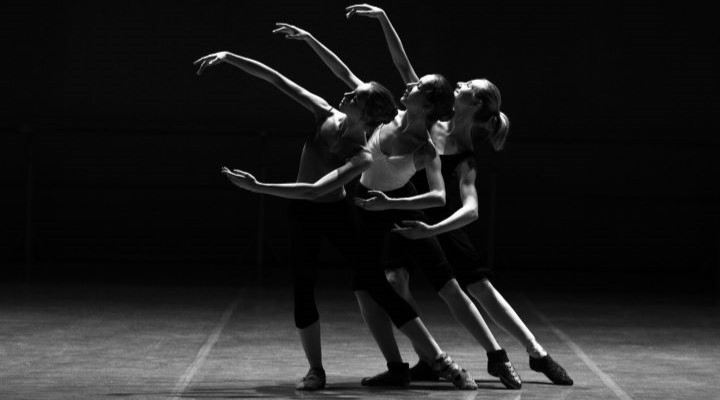
Mind-Body Sync: The Benefits of Coordinated Movement Like Dance, Martial Arts, and Flow
When most people think of workouts, they typically imagine treadmills, dumbbells, or maybe a HIIT class. However, some of the most powerful benefits for your body and mind come from coordinated movement practices. This includes dance, martial arts, or flow activities like yoga and Tai Chi. These exercises combine rhythm, awareness, and coordination in ways that traditional workouts do not. The result is not just stronger muscles, but a more balanced nervous system, sharper focus, and even improved emotional health.
In this blog, we unpack how activities built on rhythm and coordination can transform your wellness routine. The best part is, you do not have to be a professional dancer or martial artist to enjoy the benefits. Regular people can tap into these practices to feel grounded, energized, and more connected to their bodies.
Why Coordinated Movement Feels Different
Running on a treadmill gets your heart rate up, but it is usually repetitive. Coordinated activities like dance or martial arts challenge your brain and body at the same time. You learn patterns, adjust to rhythm, and sync with your breath. These kinds of sessions highlight the benefits of coordinated movement because they blend physical training with cognitive demand.
Think of it as upgrading your body’s operating system. You are not only increasing physical endurance but also teaching your nervous system to stay calm under pressure. This explains why people who practice martial arts or dance often report lower stress and sharper mental clarity outside the studio. When you consistently train with rhythm and structure, the benefits of coordinated movement extend into your daily life.
Stress Relief Through Rhythm
One overlooked benefit of these practices is stress management. When your body falls into a rhythm, whether it is a dance beat or a martial arts kata, your nervous system shifts gears. The repetitive, patterned movement works like a reset button for your brain.
Imagine how humming a favorite song can instantly calm your mood. Now picture your whole body moving in sync with the rhythm. That is why dance classes feel joyful and martial arts training feels grounding. It is not just exercise, but nervous system regulation in motion.
- Repetitive patterns help calm the fight-or-flight response
- Breath coordination in flow practices supports relaxation
- Rhythmic movement releases stored tension in muscles
This is one reason dance and martial arts training are recommended for people dealing with stress. The focus on rhythm, breath, and structured patterns allows the body to discharge tension and reset balance.
Cognitive Benefits: Training the Brain with the Body
When you learn a martial arts sequence or a dance routine, your brain is firing on all cylinders. You have to memorize steps, anticipate transitions, and coordinate with your body in real time.
Studies show that people engaged in dance and martial arts training often demonstrate improved memory and quicker reaction times. You might notice after a few weeks of practice that you can focus longer, problem-solve faster, and feel sharper in everyday tasks.
It’s similar to juggling. The first time you try, it feels chaotic. With practice, your brain adapts, and suddenly juggling feels automatic. These movement practices train the brain in a similar way, helping it adapt to new patterns with efficiency.
You Do Not Need to Be a Pro
Many people hesitate to try dance or martial arts because they feel intimidated. However, here is the truth: you do not need skill to get started. Just like most people jog without being marathon runners, you can dance or practice tai chi without needing to be on stage or in competition.
Just like in cooking, you do not need to be a chef to prepare a good meal. You just need to know the basics, then practice until it feels natural. The same goes for coordinated movement. Start with small steps, like a beginner dance class or a simple tai chi routine on YouTube.
And here’s a secret: the clumsiness at the start is part of the brain-training benefit. Every time you struggle to find rhythm or coordination, your brain is building new neural pathways. That is how mind-body connection exercises create lasting changes.
Physical Benefits Beyond Muscles
These practices go beyond building visible strength. Dance improves cardiovascular health, martial arts build core stability, and flow practices enhance flexibility. However, the real standout is how they combine these benefits in one workout.
- Cardiovascular endurance improves through sustained rhythmic motion
- Balance and coordination strengthen joints and prevent injury
- Flexibility and posture get a boost, making daily movements easier
Instead of separating cardio, strength, and flexibility into different workouts, coordinated movement rolls them into one. Over time, people who commit to mind-body connection exercises often find that their performance in other sports or fitness activities also improves.
Social and Emotional Connection
There is also the community aspect. Joining a dance class or martial arts studio connects you with people who share the same interest. Moving in rhythm with others creates a sense of belonging that traditional solo workouts often lack.
Picture a lively dance class filled with laughter, or martial arts sparring sessions built on respect and discipline. These environments help foster emotional support, which can be just as valuable as the physical training itself.
A Word from NWFA
At the National Wellness and Fitness Association (NWFA), we provide members with resources to make fitness, wellness, and healthy living approachable and enjoyable. From educational content to advocacy and member benefits, NWFA is committed to helping you build a stronger, healthier life.
Visit us today to see how we can support your journey!