Creating a Wellness-Friendly Environment at Home
Most people blame themselves when healthy routines fall apart. They think they need more discipline, better planning, or a stricter schedule. Sometimes that is true. Often, the home is working against them in small ways they barely notice.
A phone sleeps beside the pillow. Snacks sit closer than real food. Workout shoes are hidden under coats. The kitchen counter is too crowded to make a meal without frustration. None of these things feels dramatic, yet they shape behavior all day.
This is why creating a healthy home environment matters. A home cannot make every choice for you, but it can make better choices easier.
The Home Should Reduce Friction
Healthy habits tend to disappear when they require too many steps. A ten-minute stretch becomes unlikely if the mat is buried in a closet. Cooking feels heavier when the cutting board, pan, and ingredients are scattered across the kitchen.
A wellness-friendly home removes small obstacles before they grow into excuses. This does not mean clearing every surface. It means looking at the places where good intentions usually break down.
Make Better Food Easier to Reach
Food choices are rarely made in calm conditions. They happen when someone is tired, hungry, busy, or feeding other people at the same time. The kitchen should help during those moments.
Place foods you want to eat often where your eyes naturally land. Washed fruit, cut vegetables, yogurt, eggs, beans, nuts, whole grains, and simple proteins should be easy to find. Store less helpful snacks where they are available, but less visible.
This small shift supports healthy home habits by changing the first option. A person who opens the refrigerator and sees ready food has a different starting point than someone facing a pile of containers and no plan.
Keep one clear area for meal prep. A small open space can make cooking feel possible.
Give Movement a Permanent Invitation
Movement struggles when it has no place to happen. Many people wait for a free hour, a gym visit, or the right mood. Home movement works best when built into everyday life.
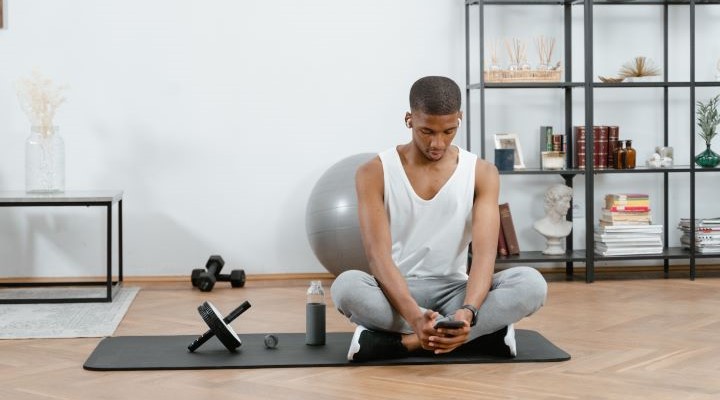
A home workout space does not need much room. A mat beside the bed, a resistance band near the couch, or a pair of weights beside a chair can be enough. The point is an easy start.
Leave one cue in plain sight. It might be walking shoes by the door or a yoga block near the television. Visible cues matter because they interrupt autopilot. They make it feel available.
Small sessions count. Five minutes of mobility, a short walk after dinner, or light strength work during a break can help build consistency.
Let the Bedroom Be Less Busy
Sleep is often treated as something that happens after everything else is done. The bedroom then becomes a storage area for unfinished tasks: laundry, work, chargers, bills, and screens.
A supportive sleep environment sends a clearer message. The day is ending. The body can slow down. The room does not have to be perfect, but it should ask less from the brain.
Remove work items from sight when possible. Keep lights low in the evening. Charge the phone away from the bed. If outside noise or light gets in the way, use curtains, an eye mask, earplugs, or a steady background sound.
Better sleep often begins before bedtime. A calmer room makes it easier to stop negotiating with the night.
Protect Attention Like It Matters
A home can feel crowded even with very few people in it. Notifications, open laptops, streaming screens, and background noise pull attention in different directions. The result is a tired mind that never fully lands anywhere.
Reducing digital distractions starts with placement. Put chargers outside the bedroom. Keep devices away from the table during meals. Choose one spot where screens do not follow you, even for ten minutes a day.
Attention needs places where it can rest. A chair by a window, a quiet corner, or a clean section of the dining table can become a small reset point.
When the mind has fewer interruptions, routines feel easier. Reading, stretching, talking, cooking, and resting all improve when they are allowed to happen without constant competition.
Build Routines Into What Already Exists
The best home changes often align with habits that already exist. Put vitamins near the coffee mug. Keep a water bottle beside the keys. Place a journal where you sit in the morning. Leave walking shoes near the door.
This approach helps create a healthy home environment that feels practical. You are not asking the day to become completely different. You are adding support to the parts of life that already have rhythm.
One cue per room is enough. The kitchen can support hydration and food prep. The entryway can support walking. The bedroom can support sleep. Too many changes at once can create a different kind of clutter.
Make the Home Easy to Reset
No home stays aligned all the time. Counters fill up. Sleep routines slip. Snacks end up where they should not. Workout gear gets moved. That is normal.
The real skill is the reset. Creating a healthy home environment works best when it is easy to return to order. Keep storage simple. Avoid hiding wellness tools so well that they disappear from daily life.
A five-minute reset can change the next day. Clear the counter. Put shoes back by the door. Refill the water bottle. Set out breakfast ingredients. Move the phone charger away from the bed again.
A Home That Helps You Come Back to Yourself
Health is shaped by ordinary choices, and ordinary choices are shaped by surroundings. A home that supports wellness does not remove stress from life. It makes returning easier after stress.
That is the real value of creating a healthy home environment. It gives the body better cues, gives the mind fewer battles, and gives daily routines a place to take root. Over time, those small changes influence meals, movement, sleep, focus, and recovery in ways that feel natural.
For readers interested in creating home environments that support lasting wellness, the National Wellness & Fitness Association offers educational resources and practical guidance to help individuals build healthier daily routines.