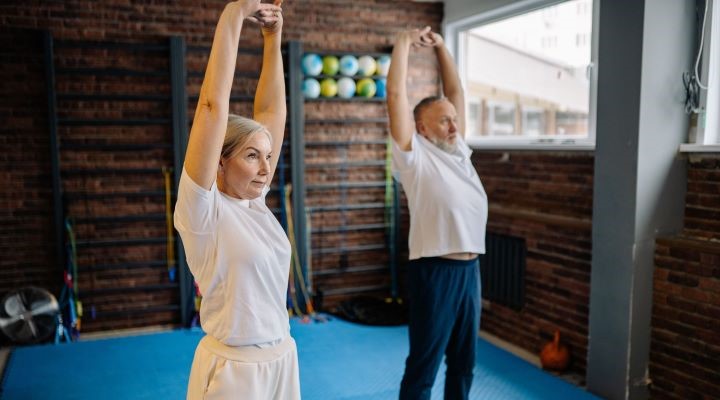
Training for Life's Challenges: Functional Fitness Beyond the Gym
Most people think exercise is about building bigger muscles, losing weight, or improving athletic performance. While these are great goals, fitness can also help you in another important way. It can make everyday tasks easier.
This is where functional fitness comes in. It focuses on training your body for real-life movements rather than just gym exercises. Whether you are pushing a stroller, carrying laundry, unloading groceries from the car, or working in the garden, functional fitness helps you move more comfortably and with greater confidence.
The goal is simple: build strength, improve balance, and move better in everyday life.
What Is Functional Fitness?
Functional fitness is a type of exercise that prepares your body for daily activities. Instead of working one muscle at a time, it trains several muscles to work together.
Many functional exercises are designed around movements you already do every day. For example, squats are similar to sitting down and standing up, while carrying weights is like carrying shopping bags or household items.
By practicing these movements regularly, functional fitness helps improve strength, coordination, and confidence both in and out of the gym.
Research also supports the value of functional training. A 2024 systematic review found that functional training can improve physical function and help older adults perform everyday activities more safely and independently.
Why Everyday Movement Matters
Your body is always moving. Walking, bending, lifting, reaching, pushing, and pulling are all part of everyday life. These movements may seem simple, but they require strength, balance, and coordination.
When your body moves well, daily tasks often feel easier. You may notice less strain when climbing stairs, carrying groceries, or working around the house.
This is why everyday movement is important for staying active and maintaining long-term health.
Building Functional Strength
Strength becomes more useful when it helps you outside the gym.
Functional strength training focuses on movements that improve your ability to lift, push, pull, squat, carry, and rotate safely. Instead of isolating one muscle, these exercises teach your entire body to work together.
Some common functional exercises include:
- Squats
- Lunges
- Push-ups
- Step-ups
- Farmer's carries
- Resistance band rows
These exercises help you build strength that makes everyday activities feel easier.
Don't Forget Balance and Mobility
Strong muscles are important, but they are only one part of healthy movement. Good balance and mobility help you stay steady, move comfortably, and reduce the risk of falls or injuries.
Simple balance and mobility exercises can make a noticeable difference over time.
Some easy examples include:
- Standing on one leg
- Heel-to-toe walking
- Gentle hip stretches
- Shoulder circles
- Ankle rotations
Practicing these exercises regularly can improve stability while making everyday movement feel more comfortable. Research has also shown that exercises focusing on strength, balance, and mobility can improve physical function and reduce the risk of falls, especially as people get older.
Functional Fitness Is for Everyone
You do not have to be an athlete to benefit from functional fitness.
Whether you are new to exercise, returning after a break, or simply looking for a practical way to stay active, functional exercises can be adjusted to match your fitness level.
Because they focus on natural movements, they are useful for adults of all ages.
Easy Ways to Practice Functional Fitness
You do not need expensive equipment or a gym membership to get started. Many functional exercises can be done at home using only your body weight.
Here are a few simple ideas.
Practice Squats
Squats strengthen your legs and improve your ability to sit down, stand up, and lift objects safely. Start with bodyweight squats and focus on slow, controlled movements before adding extra resistance.
Carry Objects Correctly
Lifting shopping bags, laundry baskets, or boxes with good posture is a simple form of functional strength training that helps improve everyday strength. Keep your back straight, hold objects close to your body, and avoid twisting while lifting.
Improve Your Balance
Practice balance and mobility exercises by standing on one foot while brushing your teeth or waiting for your coffee to brew. As your balance improves, you can gradually increase the amount of time you spend on each leg.
Strengthen Your Core
Your core muscles play an important role in almost every movement you make. Simple exercises such as planks, bird-dogs, or dead bugs can improve stability, posture, and overall body control. A stronger core also helps you maintain better balance during everyday activities.
Move More During the Day
Take the stairs instead of the elevator, walk short distances whenever possible, or stretch after sitting for long periods. These small habits support everyday movement and help keep your body active. Finding simple ways to move throughout the day is just as important as setting aside time for exercise.
Small Habits Make a Big Difference
Improving your fitness does not always require long or difficult workouts. Small, consistent changes often lead to lasting results.
Adding a few functional exercises to your weekly routine can improve your movement over time. As your strength, balance, and coordination improve, many daily activities become easier.
The key is to stay consistent rather than trying to do everything at once.
Final Thoughts
Fitness should help you both inside and outside the gym. By including functional fitness in your routine, you can build strength, improve balance, and make everyday activities feel easier and more comfortable for years to come.
If you're looking for trusted guidance on building healthier habits, connect with the National Wellness & Fitness Association.