Train Like You’ll Live Forever: Exercises That Build Longevity, Not Just Aesthetics
Many training programs focus on quick results, like bigger arms, visible abs, or rapid weight loss. Such results can be motivating, but they don’t always set you up for decades of good health.
Longevity exercises take a different approach. They build the physical qualities that help you stay independent, active, and injury-free well into your later years. This type of training improves how you move, how your heart and lungs perform, and how well your body handles daily challenges.
In this article, you’ll learn why training for the long haul matters, the most important areas to focus on, like mobility, grip strength, VO2 max, and balance, and how to combine them into a sustainable routine.
Why Longevity Should Be Your Fitness Goal
Training for a long life is about targeting the qualities that science links to a longer, healthier lifespan.
Studies show that VO2 max, a measure of your body’s ability to use oxygen during exercise, is one of the strongest predictors of mortality. A higher VO2 max means a more efficient heart and lungs, and people with higher scores tend to live longer and remain more active.
Grip strength is another surprising marker. Research has found that stronger grip strength correlates with better overall health, faster recovery from illness, and lower risk of disability.
These aren’t just concerns for older adults. Training these qualities early builds a reserve of physical capacity that pays off for decades.
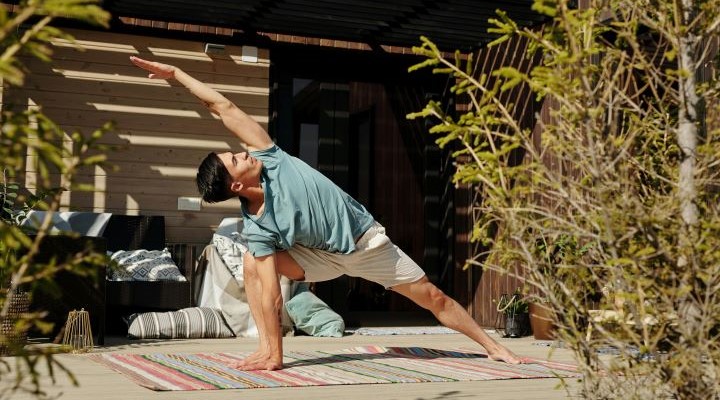
Mobility: Moving Well for Life
Mobility is the ability to move your joints freely through their full range of motion with control. It’s different from flexibility, which is just about muscle length. Mobility combines flexibility with strength, coordination, and balance.
Good mobility helps you avoid injuries, keeps your joints healthy, and makes everyday activities, like bending down, reaching overhead, or getting up from the floor, effortless.
A few simple moves can make a huge difference:
- Hip Openers: Improve hip rotation and relieve lower back strain.
- Shoulder Dislocates (using a band or broomstick): Restore shoulder movement for lifting and reaching.
- Cat-Cow Stretch: Keeps the spine flexible and reduces stiffness.
- Deep Squat Holds: Maintain ankle, knee, and hip mobility.
Mobility training for seniors is often recommended, but everyone benefits from keeping joints moving well. Daily mobility work can take just 5-10 minutes and is best done before or after your main workout.
Grip Strength: The Hidden Longevity Marker
Grip strength is more than a measure of hand power. It reflects overall muscle health, coordination, and even nervous system function.
You can check your grip strength using a handheld dynamometer, but you can also notice it during everyday activities like carrying groceries or opening jars.
Here are effective ways to build it:
- Farmer’s Carries: Hold a heavy weight in each hand and walk for a distance or time.
- Dead Hangs: Hang from a pull-up bar to strengthen your grip and shoulders.
- Towel Pull-Ups: Use a thicker grip to increase forearm and hand strength.
- Resistance Grippers: Portable and easy to use throughout the day.
Improving your grip supports everything from lifting weights to holding onto railings for safety.
VO2 Max: Training Your Heart and Lungs
VO2 max measures how efficiently your body delivers and uses oxygen during exercise. It’s a key indicator of cardiovascular fitness, and it improves with targeted aerobic training.
Higher VO2 max scores are linked to lower risk of heart disease, better brain function, and greater energy for daily life.
VO2 max workouts are usually interval-based, where you alternate periods of high effort with recovery:
- Interval Running: Run hard for 1 to 3 minutes, then walk or jog for the same time. Repeat for 20 to 30 minutes.
- Cycling Sprints: Short bursts of high-speed pedaling, followed by easy spinning.
- Rowing Machine Intervals: Full-body endurance training that’s joint-friendly.
Aim for two VO2 max-focused sessions per week, with at least a day of lighter activity in between.
Fall Prevention | Staying Steady at Any Age
Falls are one of the leading causes of injury for older adults, but prevention starts long before balance declines. Building lower body strength, reaction speed, and stability now means you’ll be more secure later in life.
Here’s how to train balance and coordination:
- Single-Leg Stands: Stand on one foot for 30 seconds, then progress to closing your eyes.
- Step-Ups: Strengthens legs and mimics stair climbing.
- Lateral Lunges: Improves side-to-side stability.
- Agility Drills: Use cones or marks on the floor to practice quick direction changes.
These exercises help you react faster and recover your balance if you stumble.
Combining Longevity Exercises into a Weekly Plan
A balanced week of longevity-focused training can look like this:
- Mobility: Daily (5 to 10 minutes)
- Grip Strength: 2 to 3 times/week
- VO2 Max Workouts: 2 times/week
- Balance/Fall Prevention: 3 times/week
You can add these into an existing routine or replace some traditional workouts with them. For example, you might do mobility drills before strength training, add grip work at the end of your workout, and swap one standard cardio session for a VO2 max interval session.
Lifestyle Factors That Support Longevity Training
Exercise is only part of the picture. Recovery and daily habits matter just as much for long-term results:
- Sleep: Aim for 7 to 9 hours each night to help your body repair and adapt.
- Nutrition: Focus on whole foods, enough protein, and plenty of fruits and vegetables.
- Hydration: Keep water nearby throughout the day.
- Stress Management: Meditation, breathing exercises, or hobbies that help you unwind can reduce the wear-and-tear on your body.
Consistency is the single biggest factor in maintaining progress.
Conclusion | Train for the Long Game
Training for longevity means building the kind of fitness that lasts decades, not just months. By focusing on longevity exercises, like mobility drills, grip work, VO2 max training, and balance drills, you create a foundation for strength, health, and independence well into the future.
Start by adding just one element this week, whether it’s daily mobility or a single VO2 max session. Over time, these small steps will add up to a stronger, more capable body.
Want expert-designed programs to keep you strong, mobile, and energized for years to come?
Join the National Wellness and Fitness Association for resources, guidance, and a supportive community. Visit www.nationalwellnessandfitness.com to get started.