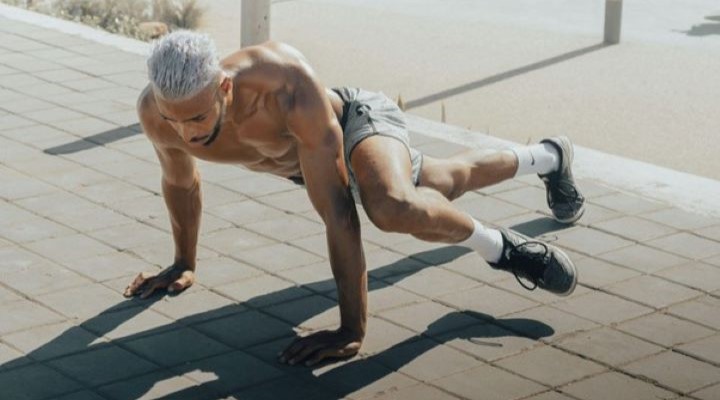
Train for 80, Not 28: Why Longevity Fitness Is Replacing Aesthetic Workouts
Many people begin exercising with one goal in mind: changing how their bodies look. Early workouts often focus on weight loss or muscle definition. Over time, however, priorities shift. Energy levels, mobility, and independence start to matter more than appearance alone.
This shift has helped bring longevity fitness into the spotlight. Longevity fitness focuses on building a body that stays capable for decades. Instead of chasing short-term visual results, the approach encourages strength, stability, and movement quality that support everyday life.
Trainers and wellness professionals now talk more about durability than aesthetics. Balance, joint health, and sustainable training patterns are becoming central parts of modern fitness routines.
This article explains why longevity fitness is gaining attention, how functional movement supports healthy aging, and practical ways to train with the future in mind.
What Longevity Fitness Actually Means
Longevity fitness centers on maintaining physical ability as people age. The goal is simple: remain strong, mobile, and capable throughout life. Instead of measuring progress only by appearance, this approach emphasizes movement quality and long-term resilience.
Longevity fitness training often focuses on:
- Maintaining muscle mass
- Protecting joint health
- Supporting cardiovascular endurance
- Preserving mobility and balance
These factors influence how well the body performs daily tasks later in life. Strong muscles support posture and stability. Flexible joints allow comfortable movement. Healthy lungs and heart function support endurance and energy.
Longevity fitness does not ignore aesthetic goals. Many people still appreciate visible improvements in muscle tone. The difference lies in priority. Long-term physical independence becomes the main objective, while appearance becomes a secondary benefit.
Why Traditional Aesthetic Workouts Fall Short
Many appearance-focused training programs aim for quick results. While these programs can produce noticeable changes, they sometimes overlook sustainability.
Common issues include:
- Extreme calorie restriction
- Repetitive high-intensity workouts
- Limited mobility or balance training
These approaches often lead to short bursts of progress, followed by fatigue or injury. People may feel exhausted after several weeks of intense training. Others struggle with joint discomfort or burnout.
Programs designed around exercise for healthy aging take a different approach. Instead of pushing the body to extremes, they emphasize balanced training patterns that support recovery and consistency.
Sustainable routines help people continue exercising for years rather than months. This consistency helps build stronger muscles, healthier joints, and better cardiovascular function over time.
Longevity Fitness and the Rise of Functional Strength
One major shift in modern training is the focus on functional fitness for aging. Functional training prepares the body for movements used in everyday life.
Examples include:
- Squatting to sit and stand
- Carrying groceries or lifting objects
- Climbing stairs
- Reaching overhead
- Maintaining balance on uneven ground
Functional exercises build strength while protecting joints and connective tissue. Movements such as squats, lunges, and rows train multiple muscle groups at once. These patterns resemble real-life activities more closely than isolated exercises.
Functional fitness for aging supports coordination and balance. Strong stabilizing muscles help prevent falls and improve posture. Over time, the body becomes better prepared for both workouts and everyday tasks.
Longevity fitness encourages this type of training because it strengthens the body in practical ways.
Exercise for Healthy Aging Starts Earlier Than You Think
Many people assume that exercise for healthy aging becomes important later in life. In reality, the process begins much earlier.
Muscle mass gradually declines with age if people remain inactive. Bone density also decreases over time. Regular resistance training helps maintain both. Early habits, therefore, influence how strong and capable the body remains decades later.
Cardiovascular exercise also plays a role. Activities such as brisk walking, cycling, or swimming support heart health and endurance. These habits protect energy levels and mobility as people age.
Viewing exercise as preparation for the future changes how people approach training. Instead of chasing short-term goals, individuals begin building a foundation that supports lifelong activity.
Longevity fitness encourages this long-range perspective.
Key Training Elements That Support Longevity Fitness
Effective longevity fitness programs usually combine several types of training. Each component supports a different aspect of long-term physical health.
- Strength Training: Maintains muscle mass and supports bone density. Exercises such as squats, presses, and rows help build functional strength.
- Mobility Work: Improves joint range of motion and movement efficiency. Stretching and controlled mobility drills help reduce stiffness.
- Cardiovascular Exercise: Supports heart health and endurance. Walking, cycling, or swimming improves circulation and stamina.
- Balance Training: Helps prevent falls and improves body awareness. Balance drills strengthen stabilizing muscles.
These components work best when combined regularly. Variety allows the body to develop strength, endurance, and coordination together.
Lifestyle Habits That Support Long-Term Strength
Exercise alone cannot support longevity fitness. Daily lifestyle habits also influence training outcomes and long-term health.
Several factors contribute to exercise for healthy aging:
- Sleep quality: Rest allows muscles to repair and grow.
- Balanced nutrition: Nutrients support recovery and energy production.
- Stress management: Lower stress supports hormonal balance.
- Recovery days: Muscles need time to adapt between sessions.
These habits influence how well the body responds to training. Adequate recovery improves performance and reduces injury risk. Balanced routines help people remain active over many years.
Wellness becomes a pattern of consistent choices rather than isolated workouts.
How to Shift Your Training Toward Longevity Fitness
Adopting longevity fitness does not require abandoning current routines. Small adjustments can redirect training toward long-term health.
Helpful steps include:
- Replace appearance-focused goals with performance goals
- Track improvements in strength or endurance
- Add mobility work to every workout
- Include rest days for recovery
- Choose consistent training schedules
Example Longevity Fitness Focus
|
Training Goal |
Long-Term Benefit |
|
Strength training |
Muscle preservation |
|
Mobility work |
Joint comfort |
|
Cardio exercise |
Heart health |
|
Balance drills |
Fall prevention |
Consistency remains the most important factor. Regular training supports steady progress and reduces stress on the body.
Contact the National Wellness and Fitness Association for Longevity Fitness Guidance
Longevity fitness emphasizes sustainable training and lifelong strength. Many people benefit from guidance as they adjust their routines toward this goal.
Professional programs can help individuals create exercise plans that support:
- lifelong strength
- safe progression
- improved mobility
- sustainable training patterns
The National Wellness and Fitness Association provides resources and guidance designed to support long-term health and independence. Their programs encourage training habits that strengthen both the body and the mind.
Readers interested in longevity fitness can explore expert insights and wellness tools by visiting www.nationalwellnessandfitness.com. Working with experienced professionals helps build a training strategy designed for lasting strength and mobility.