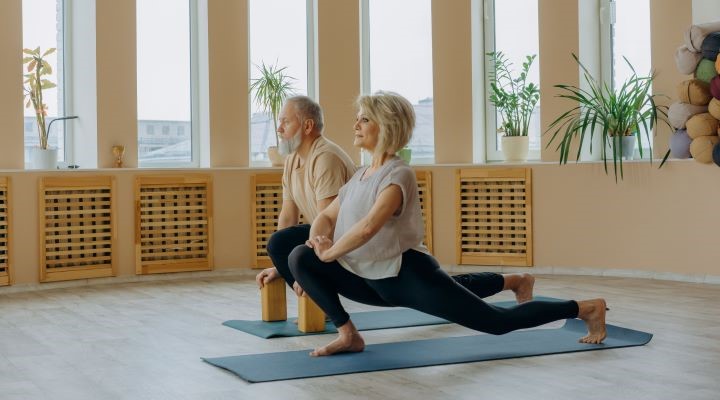
The Mobility Advantage: Why Flexible Joints Are Key to Healthy Aging
Getting older does not mean giving up the activities you enjoy. While your body naturally changes with age, staying active can help you continue doing everyday tasks with ease. One of the simplest ways to support an active lifestyle is by improving joint mobility for healthy aging.
Many people focus on strength training or cardio, but rarely think about mobility. Healthy joints help you walk, climb stairs, bend down, reach overhead, and carry out everyday tasks comfortably. Looking after your mobility now can help you stay active and independent as you get older.
Mobility vs. Flexibility: What's the Difference?
Although the terms are often used together, mobility and flexibility are different.
Flexibility is how much your muscles can stretch. Mobility is how well your joints move through their full range of motion with strength and control.
For example, you may have flexible leg muscles, but if your hips or knees do not move well, simple movements can still feel difficult. Good mobility combines flexibility, strength, balance, and coordination to help your body move smoothly.
Improving joint mobility for healthy aging supports comfortable movement during exercise and daily activities.
Why Mobility Changes With Age
As we age, muscles naturally become weaker, and joints may become stiffer. Spending long hours sitting or being inactive can speed up these changes.
You may notice stiffness when getting out of bed, standing after sitting for a long time, or reaching for something on a high shelf.
The good news is that mobility can improve at almost any age. Regular movement keeps your joints active and supports better physical function. Research also shows that regular physical activity helps older adults maintain mobility and lowers the risk of many chronic health conditions.
The Benefits of Mobility Training
The benefits of mobility training go beyond helping you move more easily. They can also make everyday activities easier and improve how your body moves throughout the day.
Some of the biggest benefits include:
- Better balance
- Improved posture
- Less stiffness
- Easier movement
- Better body awareness
- Greater confidence during daily activities
Many people also find that they enjoy exercise more because their bodies feel stronger and move more naturally.
How Mobility Helps Prevent Injuries
When a joint cannot move properly, other parts of the body often work harder to compensate. Over time, this extra strain can lead to discomfort or increase the risk of injury.
This is why injury prevention and mobility are closely connected. Healthy movement helps reduce unnecessary stress on your muscles and joints while improving balance and coordination.
Adding a few mobility exercises before walking, strength training, or other workouts can also prepare your body for movement.
Simple Ways to Improve Mobility
Improving mobility does not require expensive equipment or long workouts. A few simple habits practiced regularly can make a noticeable difference.
Stretch Regularly
Gentle stretching helps reduce stiffness and improve flexibility. It is especially helpful after exercise or after sitting for long periods. Stretch slowly and avoid bouncing, as controlled movements are more effective and comfortable.
Move More During the Day
Try not to stay in one position for too long. Stand up, walk around, or do a few simple stretches every hour to keep your joints moving. Even a short walk around your home or office can help reduce stiffness.
Add Mobility Exercises
Exercises such as shoulder circles, hip rotations, ankle rolls, and gentle spinal twists help improve joint mobility and coordination. With regular practice, the benefits of mobility training become easier to notice in your daily routine. Start with a few minutes each day and gradually build the habit.
Build Strength
Strong muscles help support your joints and improve stability. Bodyweight exercises or light resistance training are excellent ways to build strength while protecting your joints. Focus on proper form rather than lifting heavy weights to reduce unnecessary strain.
Staying Independent as You Age
Good mobility does more than improve exercise. It helps you stay independent and continue doing everyday tasks with confidence.
Simple activities like carrying groceries, climbing stairs, gardening, or playing with your grandchildren all become easier when your body moves well.
This is why maintaining independence with age is so important. Research has found that mobility training can improve physical function and make everyday activities easier for older adults, helping them stay active and independent for longer. The easier it is to move, the easier it becomes to enjoy your hobbies and travel, and to manage your daily routine without relying on others.
Small Changes Can Make a Big Difference
You do not need to make major lifestyle changes to improve mobility. Small, consistent habits often lead to the best results.
Stretching for a few minutes each morning, taking short walking breaks during the day, or adding mobility exercises before your workouts are all simple ways to stay active.
These habits also support injury prevention and mobility while helping with maintaining independence with age. Over time, these small efforts can make everyday movement feel easier and more comfortable.
Final Thoughts
Healthy aging is about more than living longer; it is about continuing to enjoy everyday life with confidence. Prioritizing joint mobility for healthy aging can help you move more comfortably, stay active, and maintain your independence for years to come.
Ready to take the next step toward healthier aging? Connect with the National Wellness & Fitness Association to learn more about their wellness resources and programs.