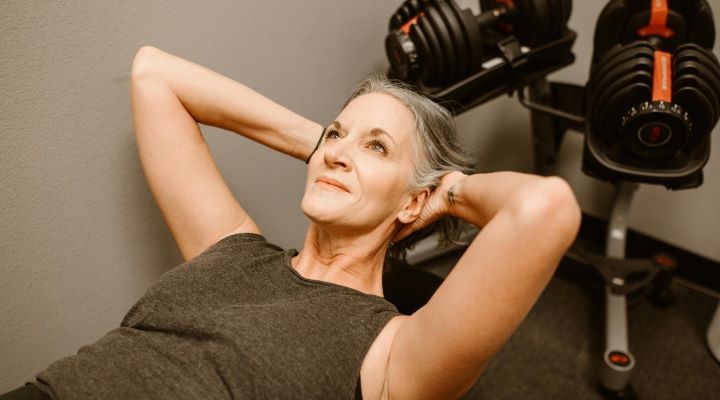
The Menopause Movement: Tailoring Fitness and Wellness for Hormonal Change
Menopause is not a sudden cliff. It’s more like a long, winding road where the scenery slowly changes. For many women, this road comes with fatigue, mood shifts, sleep struggles, and weight fluctuations. What once worked for fitness or nutrition no longer seems to deliver the same results. That’s where the menopause fitness plan becomes a game-changer, offering evidence-based fitness and lifestyle strategies to support women during midlife transitions.
Just like the way a smartphone needs periodic updates to stay functional, the body during menopause requires updated strategies for exercise, nutrition, and wellness routines. Let’s break it down in simple, practical ways that feel relatable and achievable.
Understanding Hormonal Shifts and Their Impact
During menopause, a woman’s hormones act like the thermostat in your house. When they fluctuate, you feel it, sometimes with hot flashes and sometimes with energy slumps. These shifts also affect bone density, muscle mass, and how the body stores fat. Ignoring these changes can feel like trying to run a marathon in shoes two sizes too small. They simply do not fit anymore.
- Estrogen decline influences metabolism and joint health.
- Sleep disturbances affect recovery and energy levels.
- Mood swings can zap motivation, making workouts feel harder than before.
Adapting to these changes is not about “pushing harder” but about tailoring your approach. That’s where structured guidance, like a menopause fitness plan, becomes essential.
Exercise as a Hormone-Friendly Ally
Exercise is not just about burning calories. During menopause, it is about protecting bones, preserving lean muscle, and supporting mood balance. Think of exercise as a loyal friend who shows up even when everything else feels unpredictable.
Evidence points to a mix of strategies being most effective:
- Strength training two to three times a week helps counter bone and muscle loss.
- Cardio sessions maintain heart health and manage weight gain.
- Yoga or Pilates provides flexibility while easing stress.
- Short interval workouts improve endurance without draining energy.
When framed as part of a fitness program for menopause, these exercises are not just workouts, but personalized tools that align with hormonal changes.
Nutrition That Works With, Not Against, Hormones
Food choices during menopause play a bigger role than many realize. Imagine fueling a hybrid car. You wouldn’t put the same gas in it as you would in a truck. The body needs different “fuel” during this stage of life.
- Include more protein to protect muscle mass.
- Prioritize calcium and vitamin D for bone strength.
- Choose fiber-rich foods for digestion and satiety.
- Limit processed sugars to avoid energy spikes and crashes.
This isn’t about strict diets, but about a balanced approach. A fitness program for menopause works best when paired with nutrition strategies that feel sustainable rather than restrictive.
Stress, Sleep, and Recovery
A common midlife frustration is that despite exercising and eating right, results still lag. The missing link is often stress management and recovery.
Famous tennis player Billie Jean King once said, “Champions keep playing until they get it right.” That persistence applies here. Women in midlife need to not only train hard but also recover smart.
- Practice simple breathing exercises before bed.
- Keep a consistent sleep routine, aiming for 7 to 8 hours.
- Try restorative activities like stretching, journaling, or mindful walks.
Ignoring recovery is like constantly recharging your phone without letting it reach 100%. Eventually, the performance drops.
Relatable Real-World Example
Picture Sarah, a 52-year-old office worker. Before menopause, she jogged three miles daily and maintained steady energy. Lately, the same routine leaves her exhausted, and she’s frustrated that the scale creeps upward. After adjusting with strength training twice a week, shorter cardio intervals, and better sleep habits, Sarah notices her mood stabilizes and energy returns. Her journey illustrates how shifting to a midlife exercise and nutrition plan can transform results.
Making Fitness Fun and Sustainable
Consistency is easier when activities bring joy. Women don’t have to grind through gym sessions they dislike. Movement can happen anywhere.
- Dance in the living room for 20 minutes.
- Join a walking group in the neighborhood.
- Try resistance bands while watching TV.
- Use weekends for hikes or bike rides.
Fitness at this stage is less about “perfect workouts” and more about sustainable, enjoyable movement patterns. When paired with a midlife exercise and nutrition plan, these small adjustments build long-term resilience.
Why Professional Guidance Matters
Menopause comes with unique challenges, and many women feel stuck guessing what works. Online advice can be overwhelming and sometimes contradictory. Working with trained wellness professionals removes the guesswork.
A guided menopause fitness plan provides structure, accountability, and personalization. Instead of wasting time on trial and error, women can lean on evidence-based strategies designed to match their specific needs.
The Menopause Movement in Action
The idea of a “movement” speaks to something larger than workouts. It’s about empowerment. This phase of life is not an ending but a reset. Women gain wisdom, perspective, and the chance to tailor wellness habits in ways that finally align with their reality.
Much like a jazz musician improvises while staying in rhythm, women can adjust their routines without losing progress. The Menopause Movement is about embracing flexibility, building strength, and reclaiming energy through intentional strategies!
A Word from NWFA
Ready to stop guessing and start thriving during menopause? At National Wellness and Fitness Association (NWFA), you’ll find programs built to support women through midlife transitions. Our services include tailored training, lifestyle guidance, and expert support designed to help women adapt confidently to hormonal change.
Instead of struggling with routines that no longer work, you can follow a clear, structured fitness program for menopause that balances exercise, nutrition, and recovery. Visit the site today and discover how simple, evidence-based strategies can transform your midlife journey!