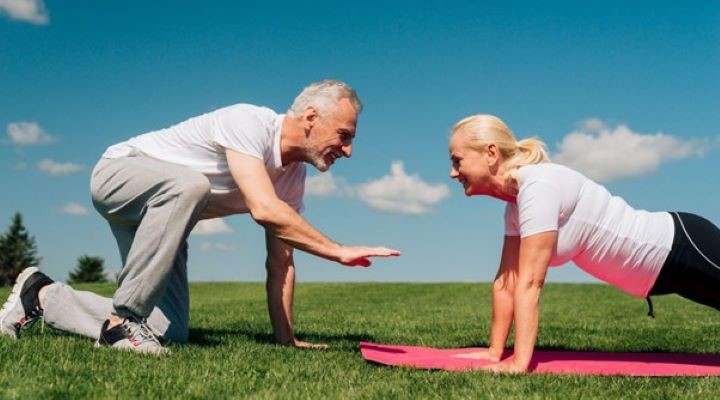
The Longevity Workout Plan: Training Today for the Body You Want at 70
Many people start exercising for short-term reasons. They want to lose weight, look leaner, or prepare for an event. Those goals can spark action, but they rarely stay the whole story. As the years pass, people begin to care more about stamina, balance, and the ability to move well without pain. That shift is where a longevity workout plan becomes useful.
A longevity workout plan focuses on training patterns that help the body stay strong, mobile, and capable across decades. Research increasingly points to physical capability as a major predictor of quality of life in older age. Strength, cardiovascular fitness, and coordination all shape how well a person can live independently later on.
This article explains what makes a plan longevity-focused, which exercise categories matter most, and how to start training now for the body you want at 70.
What Makes a Longevity Workout Plan Different
A longevity workout plan is built for long-term function rather than quick peaks. The goal is to help the body stay useful, steady, and resilient through many stages of life. This kind of training values movement quality and recovery just as much as intensity.
Key elements usually include:
- Joint-friendly movement patterns
- Strength that supports daily tasks
- Endurance for longer activity
- Balance and coordination work
- Recovery habits that protect consistency
Unlike programs built around short visual changes, a longevity workout plan helps maintain physical capacity year after year. That means preserving strength to lift, bend, and carry. It also means supporting mobility so joints can move comfortably.
This approach does not reject hard work. It simply puts that effort into patterns that age well.
Exercise for Longevity Starts with Strength
Exercise for longevity begins with one of the most protective forms of movement: strength training. Muscle mass naturally declines with age, and bone density can follow suit. Resistance training helps slow both processes.
Foundational movements include:
- Squats
- Lunges
- Push movements
- Pull movements
- Core stabilization drills
These exercises support the body in very practical ways. Strong legs help with stairs, getting up from a chair, and walking longer distances. Upper-body strength helps with carrying bags, opening heavy doors, or lifting objects safely. A stable core improves posture and protects the spine.
Exercise for longevity works best when strength training is repeated consistently. You do not need advanced lifts or punishing sessions. A well-structured routine with steady progression provides the body with the stimulus it needs to maintain strength over time.
Functional Fitness for Aging and Everyday Movement
Functional fitness for aging focuses on how the body performs outside the gym. It trains movements that show up in daily life rather than isolated actions with little carryover.
Examples include:
- Carrying objects across a room
- Reaching and bending with control
- Rotating the torso safely
- Stepping up and down with balance
This style of training improves coordination, timing, and body awareness. It also helps people stay comfortable during common activities that many younger adults take for granted.
Functional fitness for aging matters because independence depends on movement skills. Strength alone is useful, but strength paired with coordination offers greater protection. The body learns to manage uneven surfaces, directional changes, and real-life physical demands.
When people train these patterns regularly, they often notice that daily movement feels smoother and less tiring. That payoff matters at 70 as much as it does now.
Cardiovascular Training for Lifelong Energy
Strength helps you move well. Cardio helps you keep moving. A strong heart and good aerobic capacity support daily energy, stamina, and recovery. That is why cardiovascular work forms a major part of a longevity workout plan.
Accessible options include:
- Walking
- Cycling
- Swimming
- Rowing
These activities help improve circulation, oxygen use, and endurance. They also support heart health, which becomes increasingly important with age. People with better cardiovascular fitness often recover faster from exertion and maintain activity longer.
Exercise for longevity depends on this aerobic base. A person may have strong muscles, but without endurance, everyday tasks can still feel draining. Brisk walking several times a week, paired with regular strength work, creates a more complete foundation for long-term health.
Balance and Coordination for Long-Term Independence
Balance training often gets ignored until someone feels unsteady. That is late. The smarter approach is to train it before it feels urgent. Functional fitness for aging includes balance, as stability helps prevent falls and preserve confidence in movement.
Useful exercises include:
- Single-leg stands
- Step patterns
- Controlled agility drills
- Slow direction changes
These movements train stabilizing muscles and sharpen communication between the nervous system and the body. Better balance helps with stairs, uneven sidewalks, and quick adjustments when something unexpected happens.
Balance does not need to be complicated. A few minutes added to strength sessions or warm-ups can build significant benefits over time. It is one of the simplest ways to support independence later in life.
Weekly Longevity Workout Plan Example
A longevity workout plan should feel balanced rather than punishing. It should also be simple enough to repeat.
Sample Weekly Plan
|
Day |
Focus |
|
Day 1 |
Strength training |
|
Day 2 |
Mobility and light cardio |
|
Day 3 |
Functional movement training |
|
Day 4 |
Rest or walking |
|
Day 5 |
Strength and balance training |
|
Day 6 |
Aerobic activity |
|
Day 7 |
Recovery mobility |
This structure supports exercise for longevity by covering the major pillars: strength, endurance, mobility, balance, and recovery. Consistency matters far more than intensity. A moderate plan you can follow for years will outperform an extreme plan you abandon after six weeks.
Habits That Help a Longevity Workout Plan Succeed
Training works better when daily habits support it. A strong routine loses value if sleep is poor, recovery is ignored, or meals are inconsistent.
Helpful habits include:
- Adequate sleep
- Balanced meals
- Hydration across the day
- Active recovery after harder sessions
These habits support muscle repair, energy levels, and mental steadiness. They also help people stay consistent with their training. A longevity workout plan succeeds when exercise fits into a larger pattern of health-supporting choices.
Think of workouts as the signal and habits as the support system. Both matter.
Contact the National Wellness and Fitness Association for Longevity Workout Guidance
A good longevity workout plan should match the person, not just the trend. Professional guidance can help you build a routine that supports strength, mobility, endurance, and long-term physical confidence.
The National Wellness and Fitness Association offers education and resources designed to support lifelong movement and health. Structured guidance can help you create routines that progress safely, protect joints, and build fitness that stays useful over time.
If you want to train with the future in mind, visit www.nationalwellnessandfitness.com to explore programs, tools, and expert support built around lasting physical capability.