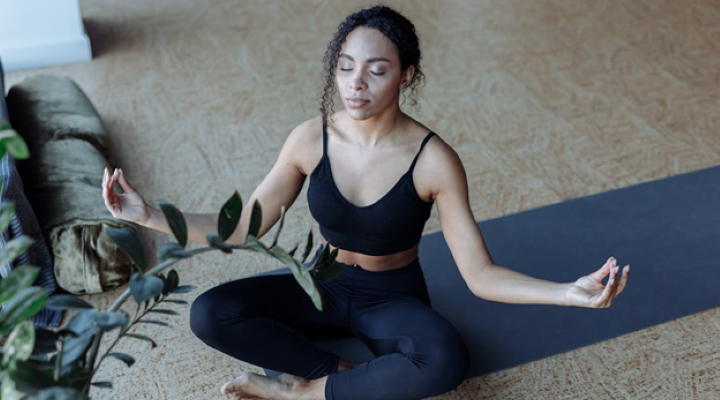
The Anti-Burnout Workout: Gentle Routines for Overwhelmed Days
Have you ever felt so drained that the thought of a vigorous workout seems impossible? On days when stress and exhaustion take over, pushing yourself too hard can actually worsen fatigue and increase the risk of burnout. That’s where the anti-burnout workout comes in—gentle, restorative routines designed to move your body, ease tension, and support mental clarity without adding pressure.
Exercise offers powerful benefits for your body and mind, supporting overall wellness. This also includes gentle, low-intensity movement, which can reduce stress, improve circulation, and boost mental clarity. On days when energy is low, incorporating these restorative routines allows you to move without adding pressure, helping you maintain consistency and care for both your body and mind. Read on to learn more about the anti-burnout workout and how to incorporate these practices into your routine.
Why Gentle Workouts Matter
When life feels overwhelming, your body reacts with tension, fatigue, and sometimes even pain. High-intensity exercise may feel impossible or intimidating in these moments, but gentle movement provides many benefits:
- Reduces stress and anxiety: Slow, controlled movements help regulate breathing, calm the nervous system, and lower cortisol levels.
- Supports circulation and joint health: Even light activity keeps blood flowing and joints mobile, reducing stiffness and fatigue.
- Improves mood and mental clarity: Moving your body triggers endorphins and promotes mindfulness, helping you reset mentally.
- Encourages consistency: Low-intensity routines are easier to sustain, making exercise a sustainable habit rather than a chore.
By prioritizing gentle movement on overwhelmed days, you can maintain physical activity while giving your mind a chance to recharge.
Gentle Movement Options for Overwhelmed Days
This is the heart of the anti-burnout workout. On days when energy is low, these options provide movement without strain, focusing on mind-body connection, circulation, and stress relief.
1. Walking and Nature Strolls
Walking is one of the simplest yet most effective forms of low-intensity exercise. A brisk or casual walk for 15–30 minutes gets your heart rate up slightly, encourages blood flow, and helps release tension.
- Benefits: Improves cardiovascular health, boosts mood, and supports mental clarity.
- Tip: Try walking outdoors in nature. Exposure to sunlight and fresh air enhances relaxation and can even improve focus.
2. Gentle Yoga
Yoga for stress relief combines movement, stretching, and controlled breathing. Poses like child’s pose, cat-cow, and seated forward fold gently stretch muscles, relieve tension, and promote relaxation.
- Benefits: Enhances flexibility, reduces muscle stiffness, and encourages mindfulness.
- Tip: Focus on restorative yoga sessions or 10–15 minute flows for overwhelmed days. No need to push into advanced poses; comfort is key.
3. Tai Chi or Qi Gong
These ancient practices involve slow, flowing movements synchronized with breath. Tai Chi and Qi Gong are excellent for balance, flexibility, and mind-body awareness.
- Benefits: Improves circulation, lowers stress, and enhances mental focus.
- Tip: Even a 10-minute routine can leave you feeling centered and refreshed. Many guided online sessions are available for beginners.
4. Light Strength or Mobility Work
Even gentle resistance exercises can be effective without overexertion. Think bodyweight movements, resistance bands, or light dumbbells. Examples include seated leg lifts, wall push-ups, or shoulder rolls.
- Benefits: Supports joint health, maintains muscle tone, and prevents stiffness.
- Tip: Aim for slow, controlled repetitions. Focus on feeling the movement rather than the number of reps.
5. Breathwork and Mindful Movement
Breath-focused exercises can be combined with gentle stretching or seated movements. Practices like deep belly breathing, seated twists, or gentle side stretches engage muscles while calming the mind.
- Benefits: Reduces anxiety, improves oxygen flow, and fosters mental clarity.
- Tip: Pair a 5–10 minute breathing session with light stretches to reset both body and mind.
6. Swimming or Water-Based Movement
Water workouts provide gentle resistance while supporting the body’s weight, making them ideal for recovery days or those with joint discomfort. Simple swimming laps, water walking, or aqua yoga routines keep muscles engaged without strain.
- Benefits: Low-impact cardiovascular activity, improves circulation, and soothes sore muscles.
- Tip: Even 15–20 minutes in the pool can leave you refreshed and energized.
7. Gentle Dance or Movement Flow
If structured exercise feels intimidating, try light dance or in your living room or bedroom. Moving to music encourages creativity, flexibility, and mood improvement.
- Benefits: Increases circulation, elevates mood, and engages multiple muscle groups.
- Tip: Focus on freedom of movement rather than technique. A simple 10-minute movement flow can be super restorative.
Structuring an Anti-Burnout Routine
Creating a simple routine helps you incorporate gentle workouts consistently:
- Start with 5–10 minutes of light mobility or stretching to warm up the body.
- Choose one or two main activities such as a walk, yoga flow, or Tai Chi session.
- End with breathwork or mindfulness to transition back into your day feeling calm and centered.
- Daily micro-sessions or 3–5 longer sessions per week maintain consistency without pressure.
- Duration: 15–30 minutes is sufficient for overwhelmed days; even small sessions add up.
Remember, the goal is movement that supports recovery, not performance. Anti-burnout workouts are about feeling better, not tracking calories or reps.
Practical Tips for Staying Consistent
- Listen to your body: Energy levels fluctuate. Some days may call for a 10-minute stretch, others for a 30-minute walk.
- Focus on enjoyment: Choose movements that make you feel good rather than pushing intensity.
- Keep variety: Rotate activities to engage different muscle groups and prevent boredom.
- Track small wins: Notice improvements in mood, flexibility, or energy, which reinforce the habit.
By approaching exercise as mindful, low-intensity movement, you create a sustainable habit that nurtures both body and mind.
Conclusion
When overwhelm hits, the last thing you need is a high-intensity, grueling workout. The anti-burnout workout provides gentle, restorative options that support energy, circulation, flexibility, and mental clarity. From walking and yoga to Tai Chi, light strength, water movement, or mindful dance, there are countless ways to move without stress.
The National Wellness and Fitness Association (NWFA) is dedicated to helping members integrate wellness into daily life. Explore NWFA resources to find tips, guidance, and programs that make self-care simple, effective, and enjoyable. Take care of yourself today—move gently, breathe deeply, and let your body and mind recharge. Join NWFA to discover more ways to nurture your wellness.